What is Large Format Tile ?
What is Large Format Tile? Complete Guide
By TILER Technical Team · Updated July 2024 · 8 min read
Large format tile has become one of the most impactful trends in modern architecture. Offering sleek aesthetics, fewer grout lines, and remarkable versatility, these oversized tiles are transforming how designers and homeowners approach flooring and wall applications. This guide draws on 30 years of hands-on field experience from TILER's global network of tile professionals.
What You'll Learn
- Definition & Standard Sizes
- 4 Key Benefits
- Tile Types Compared
- Installation Essentials
- Popular Applications
- Design Tips
- Maintenance Guide
- FAQs
What Is Large Format Tile? Definition & Standard Sizes
Large format tile refers to any tile exceeding standard dimensions—commonly defined as 12 × 24 inches (30 × 60 cm) or larger. LFT creates a seamless visual flow that enhances the sense of space in any room. These tiles are available in porcelain, ceramic, and natural stone, and require higher manufacturing precision than standard tiles.
Industry note: Tile sizes above 60 × 60 cm are classified as large format in international standards including ANSI A137.1. TILER's slab system supports tiles up to 79 × 158 inches.
Why Choose Large Format Tile? 4 Proven Benefits
Seamless Visual Impact
Fewer grout lines create a continuous surface that makes rooms appear larger. Particularly effective in open-plan living areas and commercial lobbies.
Faster Installation
Covering the same area with fewer tiles means less cutting, fewer seams, and reduced labor time—saving contractors significant hours on large projects.
Easier Maintenance
Fewer grout lines mean less dirt, mold, and stain accumulation. Cleaning large format tiles is substantially faster than maintaining standard tile layouts.
Design Flexibility
Large slabs allow for striking patterns—straight lay, brick bond, herringbone, or diagonal—making bold architectural statements in any setting.
Large Format Tile Types: A Professional Comparison
Porcelain LFT
Near-zero water absorption (<0.5%), exceptional durability, stain and scratch resistant. Suitable for indoor and outdoor use.
Ceramic LFT
Cost-effective and versatile. Lighter than porcelain—easier to handle. Best for interior wall and residential floor applications.
Natural Stone LFT
Marble, granite, travertine—unmatched natural beauty. Requires sealing every 12–24 months. Ideal for luxury residential and hospitality projects.
Installation Essentials: What Professionals Know
Improper installation is the #1 cause of failure in large format tile projects. Here are the most critical points:
Subfloor Prep
Must be clean, dry, perfectly level. Max deviation: 1/8" over 10 ft.
Leveling Systems
Use clip-and-wedge or spin-style systems on every LFT install to eliminate lippage.
Adhesive
C2 or S1-rated polymer-modified thin-set. Butter both substrate AND tile back.
Cutting
Use professional slab cutter or wet saw with diamond blade. Never score-and-snap over 24".
Common Failure Point
TILER's technical support team estimates that 70% of large format tile complaints stem from inadequate subfloor preparation or improper adhesive coverage. Always "butter" both the tile back and the substrate.
Where Large Format Tiles Excel: Top Applications

Flooring
Living rooms, kitchens, hallways. PEI 3+ rating required.

Wall Cladding
Bathroom walls, showers, feature walls.

Counter-tops
Kitchen and vanity tops.

Outdoor Spaces
Patios, pool decks. R11+ slip resistance required.
Design Tips from Professional Tile Installers
Choose Pattern First
Decide on installation pattern before purchasing. Each has different cut requirements and waste calculations.
Match Grout to Tile
Grout within one shade = seamless. 2+ shades difference = bold contrast. Epoxy grout recommended for wet areas.
Plan Lighting
Highly polished tiles reflect light and can highlight subfloor imperfections. Textured or matte finishes hide minor issues.
Mix Sizes Strategically
Combine LFT with trim pieces or accent tiles to create visual boundaries without disrupting the seamless look.
Maintenance Guide: Protecting Your Investment
Daily: Sweep or dust-mop to remove abrasive grit. Weekly: Clean with pH-neutral tile cleaner and non-abrasive mop. Sealing: Natural stone requires sealing every 12–24 months; porcelain and ceramic typically do not. Grout: Clean monthly with soft brush; use epoxy grout in high-moisture areas.
Frequently Asked Questions
A: Yes. Large format tiles can make small rooms appear more spacious. A 24 × 48 in tile in a small bathroom is a very popular choice.
A: Tiles over 24 inches require professional handling. TILER recommends certified tile installers for formats 36 × 36 in and above.
A: Yes—frost-proof porcelain LFT with R11+ slip resistance is designed for patios, walkways, and pool decks.
A: Use a tile leveling system on every LFT installation, ensure substrate is perfectly level, and back-butter both the tile and substrate.
Ready to Work with Professional-Grade LFT Tools?
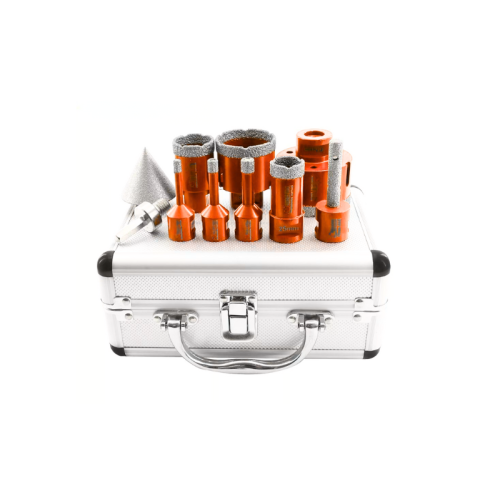
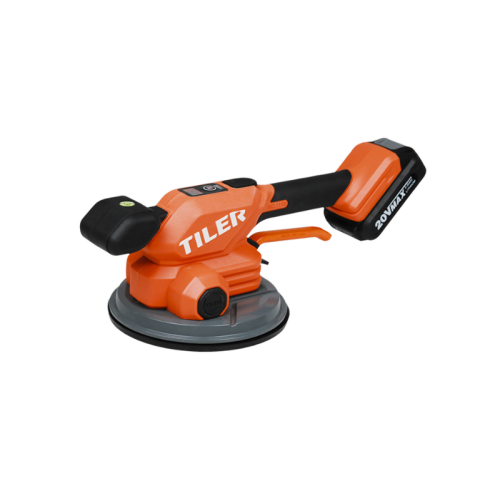
TILER manufactures a complete range of large format tile tools—slab cutters, working benches, and carrying systems—trusted by professionals in 140+ countries.
Explore TILER Large Format Solutions